
When you talk about the historic city in southeastern Peru, you might encounter two spellings: “Cusco” and “Cuzco.” But which one is correct? Let’s explore the history behind these variations and find out why “Cusco” has become the preferred spelling in Peru.
The Origins of the Name
The name of this ancient city dates back to the time of the Inca Empire. In Quechua, the native language of the Incas, people called the city “Qosqo,” meaning “navel” or “center,” reflecting its role as the heart of the empire. However, when the Spanish arrived, they spelled it “Cuzco” based on how they heard it.
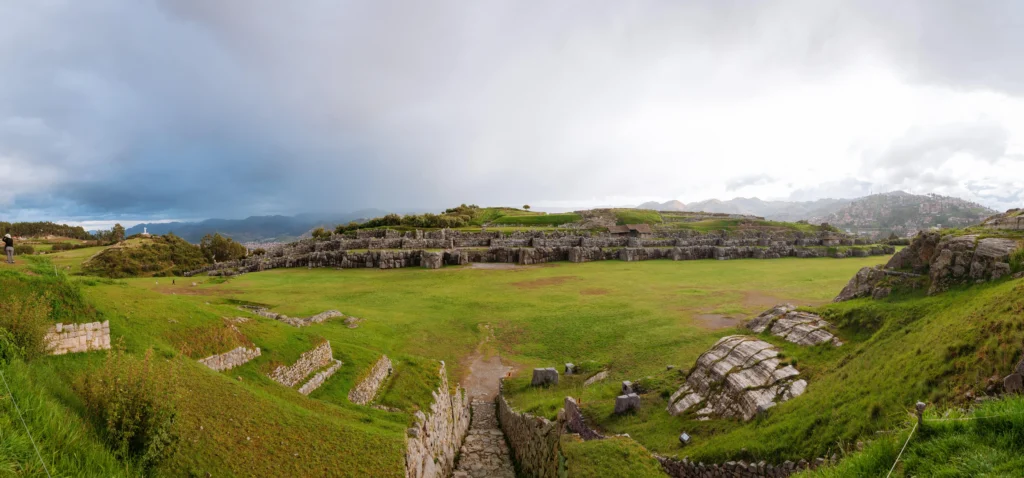
Why “Cusco” Is Preferred in Peru
About 40 years ago, the local government decided to change the spelling. The mayor officially switched it to “Cusco” to align with the original Quechua pronunciation. Since Quechua lacks a “z” sound, “Cusco” better represents the name. This change was part of a broader effort to honor the region’s cultural heritage.
The Use of “Cuzco”
While “Cusco” is preferred in Peru, tourists often use “Cuzco” when searching for tours in Cusco, especially as they plan their visits to Machu Picchu. The Royal Spanish Academy (RAE) considers both spellings correct, and both “cusqueño” and “cuzqueño” are valid demonyms. The choice between them often depends on regional or traditional preferences.
Cultural and Historical Significance
Whether spelled “Cusco” or “Cuzco,” the city’s name carries deep cultural and historical significance. Known as the “navel of the world,” Cusco served as the center from which the four regions of the Inca Empire, called the “Suyos,” extended. Today, Cusco stands as a major cultural and tourist hub, and serves as the gateway to Machu Picchu.
Conclusion: Cusco or Cuzco?
In conclusion, both “Cusco” and “Cuzco” are correct spellings, but “Cusco” is becoming more popular in Peru to respect and preserve its indigenous roots. No matter which spelling you choose, you’re referring to a city rich in history and culture, the former capital of the Inca Empire.
Leave a Comment